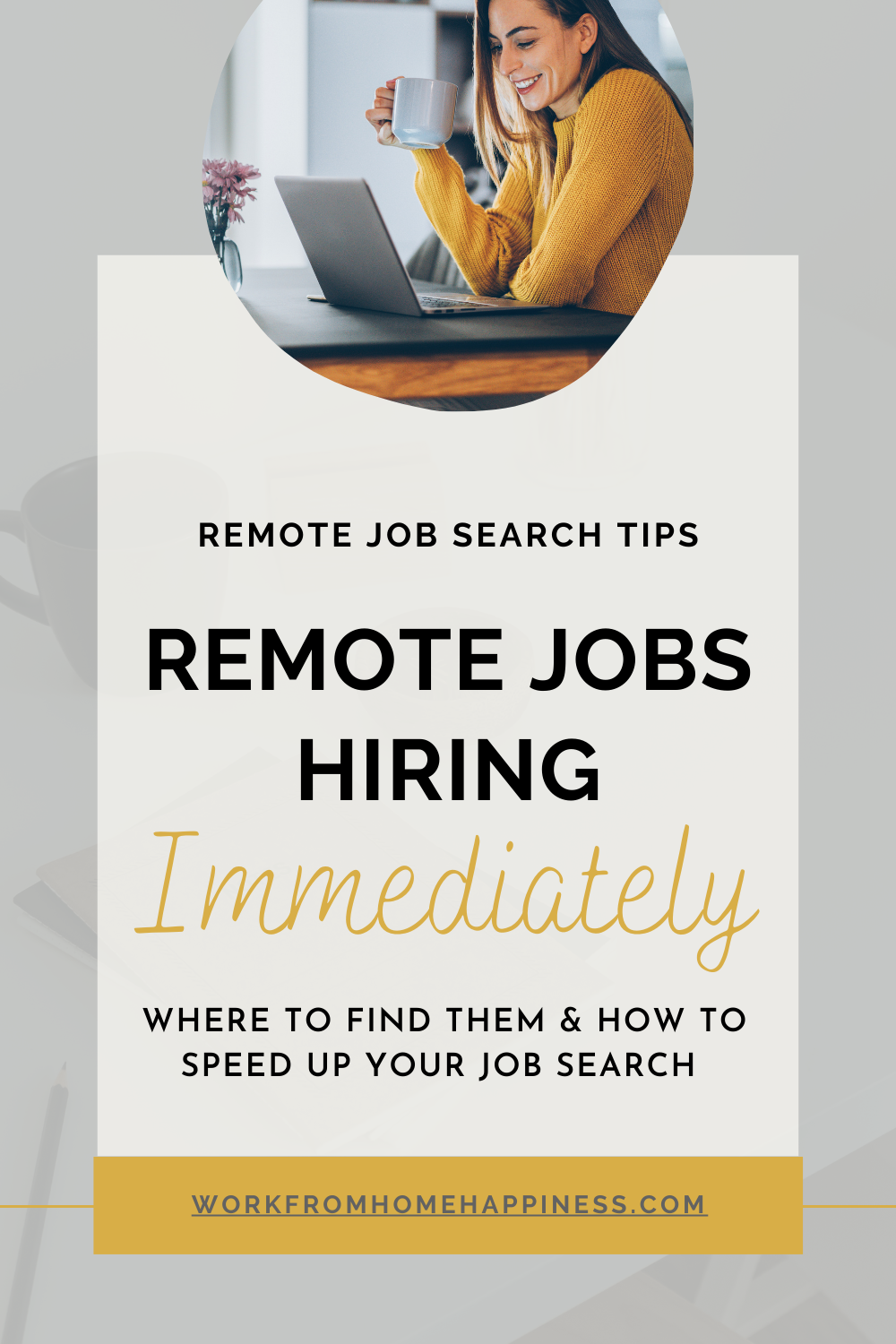
The Changing World of Work
Ten years ago, the idea of working from a beach café, a home office, or a shared coworking space while earning a steady paycheck seemed like a dream reserved for freelancers and digital nomads. Fast forward to today, and remote job opportunities have become a mainstream reality.
From tech giants like Microsoft and Google to startups across industries, companies now embrace remote and hybrid job opportunities as part of their long-term workforce strategy. In fact, a recent FlexJobs report revealed that remote job postings have increased by over 300% since 2020, while hybrid models remain the preferred option for over 60% of employees.
So, what does this mean for you—the job seeker, career switcher, or professional curious about flexibility? It means opportunity.
This article will dive deep into:
-
The rise of remote and hybrid work.
-
Industries with the most remote job opportunities.
-
The best websites and job boards to find them.
-
Proven strategies to stand out in your remote job search.
-
Common FAQs about remote & hybrid careers.
Whether you’re seeking full-time remote roles, hybrid flexibility, or freelance projects, this guide will show you where and how to find remote jobs effectively.
The Rise of Remote & Hybrid Job Opportunities
Why Remote Work Has Exploded
The COVID-19 pandemic accelerated what was already a growing trend. Before 2020, only 7% of the U.S. workforce regularly worked remotely. By mid-2021, over 40% of professionals were in remote or hybrid setups.
Several factors fueled this rise:
-
Technology adoption – Tools like Zoom, Slack, and project management platforms made collaboration seamless.
-
Work-life balance demands – Employees value flexibility and autonomy.
-
Cost savings – Companies reduce overhead costs; employees save on commuting.
-
Global talent access – Employers can hire the best talent regardless of geography.

What is Hybrid Work?
While remote means fully location-independent, hybrid work combines in-office and remote flexibility. For example:
-
3 days at the office, 2 days remote.
-
Fully flexible schedules where employees choose their days.
This model appeals to companies that want collaboration but also respect employees’ desire for flexibility.
Key Statistics on Remote Jobs
-
74% of U.S. companies plan to adopt hybrid models permanently.
-
97% of employees say they want to work remotely at least part of the time.
-
Top industries for remote opportunities include IT, healthcare, marketing, education, and customer support.
Where to Find Remote Job Opportunities
Finding remote work is not as simple as browsing traditional job boards. The good news? There are specialized remote job boards and platforms dedicated to helping professionals find remote and hybrid jobs.
Top Remote Job Boards
-
FlexJobs
-
Curated, scam-free remote & hybrid jobs.
-
Covers multiple industries (tech, healthcare, writing, etc.).
-
Paid subscription, but high-quality listings.
-
-
We Work Remotely
-
One of the largest platforms for remote jobs.
-
Popular with startups and tech companies.
-
Roles in design, development, customer success, and marketing.
-
-
Remote.co
-
Focused on fully remote companies.
-
Includes company profiles, tips, and job listings.
-
-
Remotive
-
Features remote jobs worldwide.
-
Active community and newsletter.
-
-
LinkedIn
-
Use the “Remote” and “Hybrid” filters.
-
Great for networking with recruiters.
-
-
Indeed & Glassdoor
-
Traditional boards but now with remote filters.
-
Excellent for entry-level and non-tech roles.
-
-
AngelList (Wellfound)
-
Focused on startups.
-
Remote opportunities in tech, operations, and product management.
-
-
Upwork & Fiverr
-
Ideal for freelancers seeking project-based remote work.

-
Hybrid Job Opportunities: The Best of Both Worlds
While remote work offers full freedom, hybrid jobs can provide balance. These roles are common in industries requiring occasional in-person collaboration.
Industries with Strong Hybrid Job Growth
-
Healthcare (telehealth + clinic visits)
-
Education (online teaching with in-person events)
-
Finance (analysts working partly remote)
-
Consulting & Law (flexible but client-focused)
How to Search for Hybrid Jobs
-
On LinkedIn, use the “Hybrid” filter under location.
-
Check company career pages—many detail hybrid policies.
-
Look for terms like “flexible work”, “office optional”, or “work from anywhere with occasional travel.”
How to Stand Out in Your Remote Job Search
Getting interviews for remote & hybrid careers requires more than just applying. Here’s how to stand out:
1. Tailor Your Resume for Remote Work
-
Highlight remote skills: time management, communication tools, self-motivation.
-
Add a “Remote Work Experience” section if applicable.
2. Optimize LinkedIn Profile
-
Use keywords like remote jobs, hybrid careers, virtual collaboration.
-
Add “Open to Remote Work” in your headline.
3. Showcase Digital Skills
Employers value proficiency in:
-
Project management (Trello, Asana, Jira).
-
Communication tools (Slack, Zoom, Teams).
-
Cloud platforms (Google Workspace, Microsoft 365).
4. Build a Portfolio (Even for Non-Creatives)
-
Writers: publish samples online.
-
Marketers: showcase campaign results.
-
Customer service: highlight metrics (e.g., response times).
5. Network in Remote Communities
Join Slack groups, LinkedIn groups, and forums focused on remote job opportunities.
Strategies for Finding Remote & Hybrid Jobs Faster
-
Set job alerts on remote job boards.
-
Apply early—remote jobs often get hundreds of applicants.
-
Consider global opportunities—don’t limit yourself to your country.
-
Leverage referrals—ask connections already working remotely.
-
Stay consistent—treat the search like a part-time job.
FAQs on Remote & Hybrid Job Opportunities
1. What industries have the most remote job opportunities?
The top industries hiring remotely include IT, marketing, healthcare, education, writing, and customer support. These sectors rely heavily on digital collaboration, making remote and hybrid careers sustainable long-term.
2. Are hybrid jobs better than fully remote jobs?
It depends on your lifestyle. Hybrid roles offer face-to-face collaboration while still giving flexibility. Remote jobs provide full independence but may lack in-person networking. Consider your career goals and personal needs before choosing.
3. How do I avoid remote job scams?
Stick to trusted job boards like FlexJobs, We Work Remotely, or LinkedIn. Beware of vague job descriptions, requests for upfront fees, or “too good to be true” offers. Always research the company before applying.
4. Can entry-level professionals find remote jobs?
Yes! Many customer service, sales, data entry, and marketing assistant roles are remote-friendly. Building digital skills will help entry-level candidates compete more effectively.
5. Do remote jobs pay less than in-office roles?
Not always. While some companies adjust salaries based on location, many pay equally for remote roles—especially in tech and knowledge-based industries.
6. What skills do employers look for in remote workers?
Employers prioritize communication, time management, problem-solving, adaptability, and digital proficiency. Demonstrating these in your resume and interviews gives you an edge.
7. Are remote jobs available globally?
Yes. Many companies now hire internationally. Some may require overlap with specific time zones, but global hiring expands opportunities for skilled professionals everywhere.
8. How can I prepare for a remote job interview?
Practice answering common questions on remote collaboration, self-motivation, and productivity. Be ready to demonstrate familiarity with remote tools like Zoom or Slack. Test your tech setup before the interview.
9. Can freelancers transition to full-time remote jobs?
Absolutely. Freelancing builds valuable skills and a portfolio that employers appreciate. Highlighting successful freelance projects can help secure permanent remote opportunities.
10. What are the downsides of remote work?
Challenges include isolation, blurred work-life boundaries, and potential burnout. Overcoming them requires discipline, routines, and sometimes coworking memberships for social interaction.
Conclusion: Your Next Step Toward Remote & Hybrid Careers
The future of work is undeniably flexible. Whether you’re seeking remote job opportunities that let you work from anywhere, or hybrid careers that balance collaboration with independence, the options today are broader than ever.
By exploring specialized job boards, tailoring your resume, and showcasing the right skills, you can position yourself as a strong candidate in this competitive landscape.
Now is the best time to take action—start networking, apply strategically, and prepare for the next phase of your career.